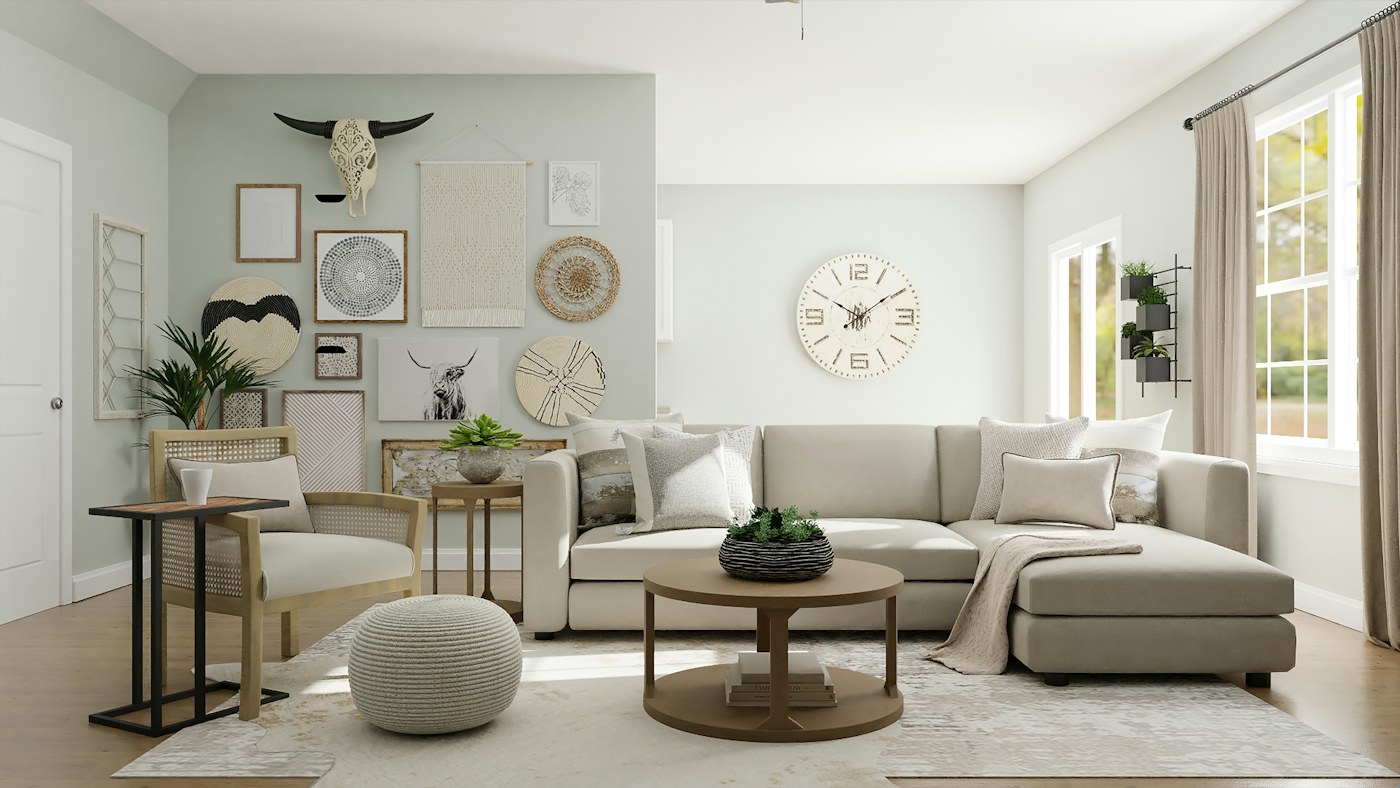
At 7:42 on a weekday morning, the tote bag is on a dining chair, one sneaker is under the bench, and the keys are exactly where no one remembers leaving them.
The best entryway setup is not the one with the most matching bins. It is the one every person can use while walking through the door with full hands. That is why this guide begins with the situation instead of a ranked list. A feature matters only when it removes friction, fits the space, and can be maintained over time.
Before shopping, write down where the item will live, how often it will be used, who will use it, and what usually goes wrong. Those four notes are more useful than opening ten product tabs without a plan.
What matters in daily use
Use this checklist to narrow the field. It is intentionally practical: dimensions, care, access, and comfort are easier to verify than broad marketing language.
- Give each everyday category one obvious landing place within a single arm’s reach.
- Choose open hooks for daily bags and closed storage for seasonal overflow.
- Size the shoe zone to one active pair per person, then move backups elsewhere.
- Add a washable runner before adding decorative objects.
Where specifications are important, confirm them on the manufacturer’s current product page before purchase. Availability, materials, included parts, and instructions can change.
A scenario-based shortlist
These are product types to compare, not claims of hands-on testing. Each solves a different version of the problem and includes a tradeoff worth considering.
A slim wall rail
Best for: narrow halls where floor space is scarce.
Know the tradeoff: Requires secure mounting and is less flexible in rentals.
Explore options ↗Retail search link; no tracked affiliate ID is active at publication.A lidded storage bench
Best for: families who need seating plus hidden shoe storage.
Know the tradeoff: Large hinges need clearance from the wall.
Explore options ↗Retail search link; no tracked affiliate ID is active at publication.A handled catchall tray
Best for: renters and anyone who loses keys.
Know the tradeoff: Needs a weekly empty-out habit.
Explore options ↗Retail search link; no tracked affiliate ID is active at publication.Before you buy
Measure twice: the item itself and the path it must travel, open, charge, dry, or store in. Read the return window before removing protective packaging. If fit is personal, test indoors and preserve tags until you are sure.
Buying a full matching system before measuring baseboards, door swing, and the bulkiest bag you use.
Also calculate the quiet costs: replacement parts, filters, refills, cleaning time, charging space, and the likelihood that the product will be convenient enough to use. A lower purchase price is not always lower cost over a year.
The bottom line
A good entryway is a tiny piece of household infrastructure: boring when it works, noticeable only when it does not.
EEGOOD’s standard is simple: prefer a well-matched, maintainable choice over a feature-heavy one. If a product cannot explain its dimensions, materials, care, or essential limitations clearly, keep looking.