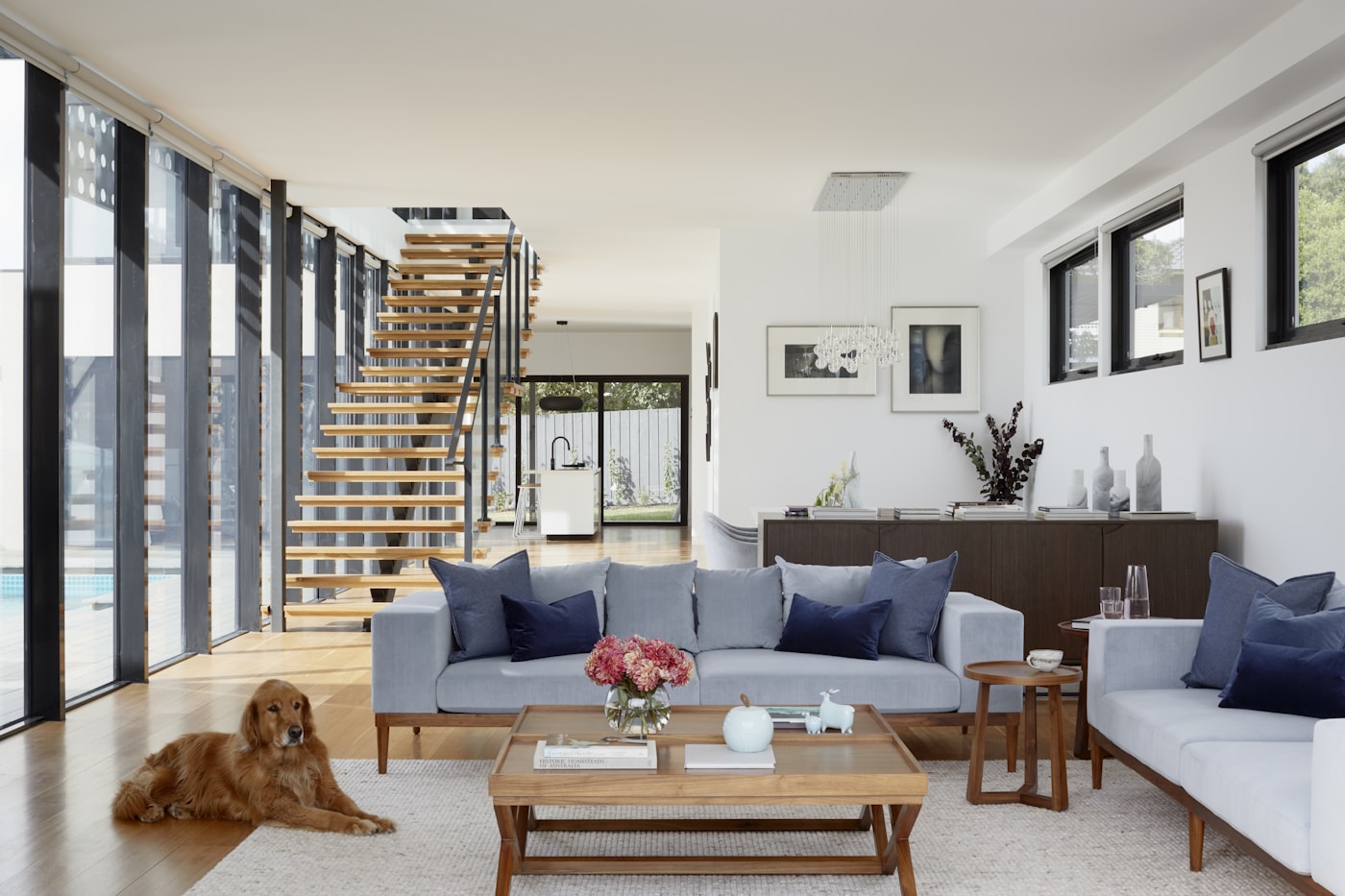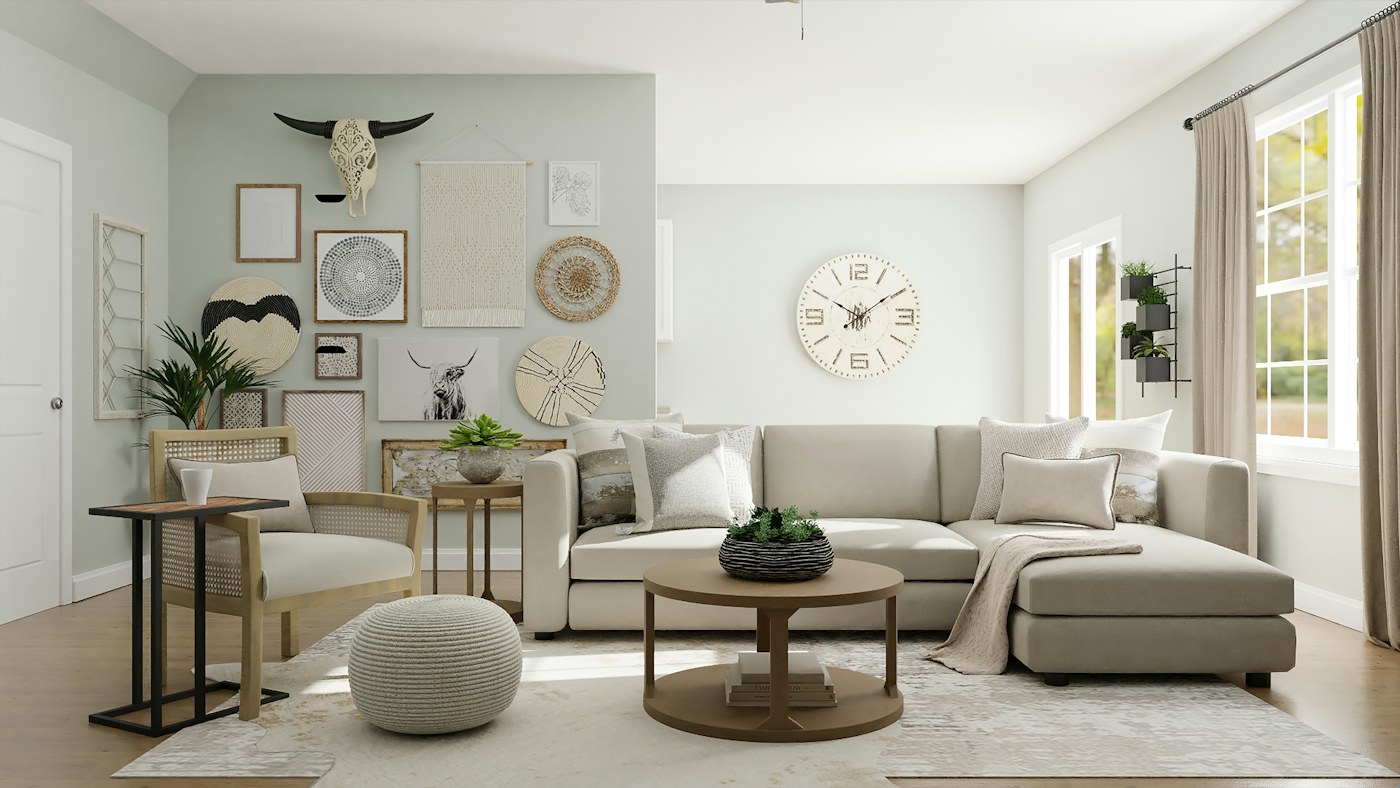
At sunset, the ceiling fixture turns the living room flat and bright, while the reading chair in the corner remains oddly dim.
A room usually feels better with several modest light sources at different heights than with one powerful overhead bulb. That is why this guide begins with the situation instead of a ranked list. A feature matters only when it removes friction, fits the space, and can be maintained over time.
Before shopping, write down where the item will live, how often it will be used, who will use it, and what usually goes wrong. Those four notes are more useful than opening ten product tabs without a plan.
What matters in daily use
Use this checklist to narrow the field. It is intentionally practical: dimensions, care, access, and comfort are easier to verify than broad marketing language.
- Map tasks first: reading, cooking, getting dressed, and moving safely at night.
- Keep bulb color temperatures consistent within the same sightline.
- Use plug-in sconces where table space is limited.
- Hide cords with paintable channels approved for your wall finish.
Where specifications are important, confirm them on the manufacturer’s current product page before purchase. Availability, materials, included parts, and instructions can change.
A scenario-based shortlist
These are product types to compare, not claims of hands-on testing. Each solves a different version of the problem and includes a tradeoff worth considering.
A shaded floor lamp
Best for: reading corners and rooms without side tables.
Know the tradeoff: Needs a stable base in homes with pets or children.
Explore options ↗Retail search link; no tracked affiliate ID is active at publication.A plug-in wall sconce
Best for: bedside lighting in compact rooms.
Know the tradeoff: Cord routing is visible unless carefully planned.
Explore options ↗Retail search link; no tracked affiliate ID is active at publication.A dimmable table lamp
Best for: living rooms that shift from work to wind-down.
Know the tradeoff: Some LED bulbs are not compatible with every dimmer.
Explore options ↗Retail search link; no tracked affiliate ID is active at publication.Before you buy
Measure twice: the item itself and the path it must travel, open, charge, dry, or store in. Read the return window before removing protective packaging. If fit is personal, test indoors and preserve tags until you are sure.
Buying bulbs by wattage language alone; compare lumens, color temperature, dimming support, and fixture limits.
Also calculate the quiet costs: replacement parts, filters, refills, cleaning time, charging space, and the likelihood that the product will be convenient enough to use. A lower purchase price is not always lower cost over a year.
The bottom line
Start with the darkest task area, add one source, and live with it for a week before filling every corner.
EEGOOD’s standard is simple: prefer a well-matched, maintainable choice over a feature-heavy one. If a product cannot explain its dimensions, materials, care, or essential limitations clearly, keep looking.